


Dear readers, this email may be truncated in your email client. Click on "View entire message," and you’ll be able to view the entire post in your email app.
There is a long tradition of photographers who, when the world got too crazy, marched in the opposite direction towards a totally different direction, as if commanded by robots. They still exist and they do this swiftly and bravely. I admire them.
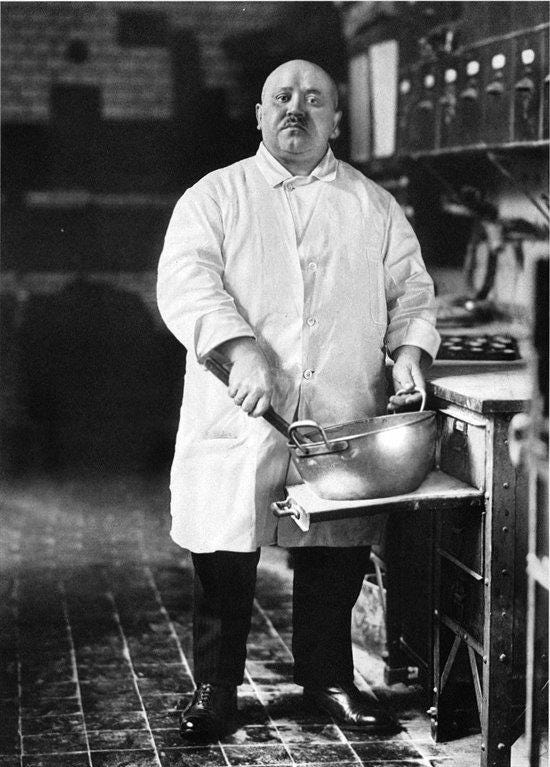
One such group once upon a time began practicing something called deadpan photography. Deadpan’s roots go back to Neue Sachlichkeit — translated as New Objectivity — a German art movement that emerged in the 1920s as a direct reaction against the “excess of Expressionism,” forgoing emotionality in favor of clarity and directness.
After World War I, certain artists began noticing the war’s havoc on photography’s meaning. They seemed to have essentially decided: enough feeling! Let’s simply show what is here… now.
“If we can create portraits of subjects that are true, we thereby in effect create a mirror of the times.”
-Photographer, August Sander
August Sander was one who spent decades photographing people not for documentary purposes, but to simply present them exactly as they were at that time, using a style that would reveal as little bias as possible. The style was unremarkable yet vastly different from where photography sat until that point.
The camera became just a witness rather than a translator.
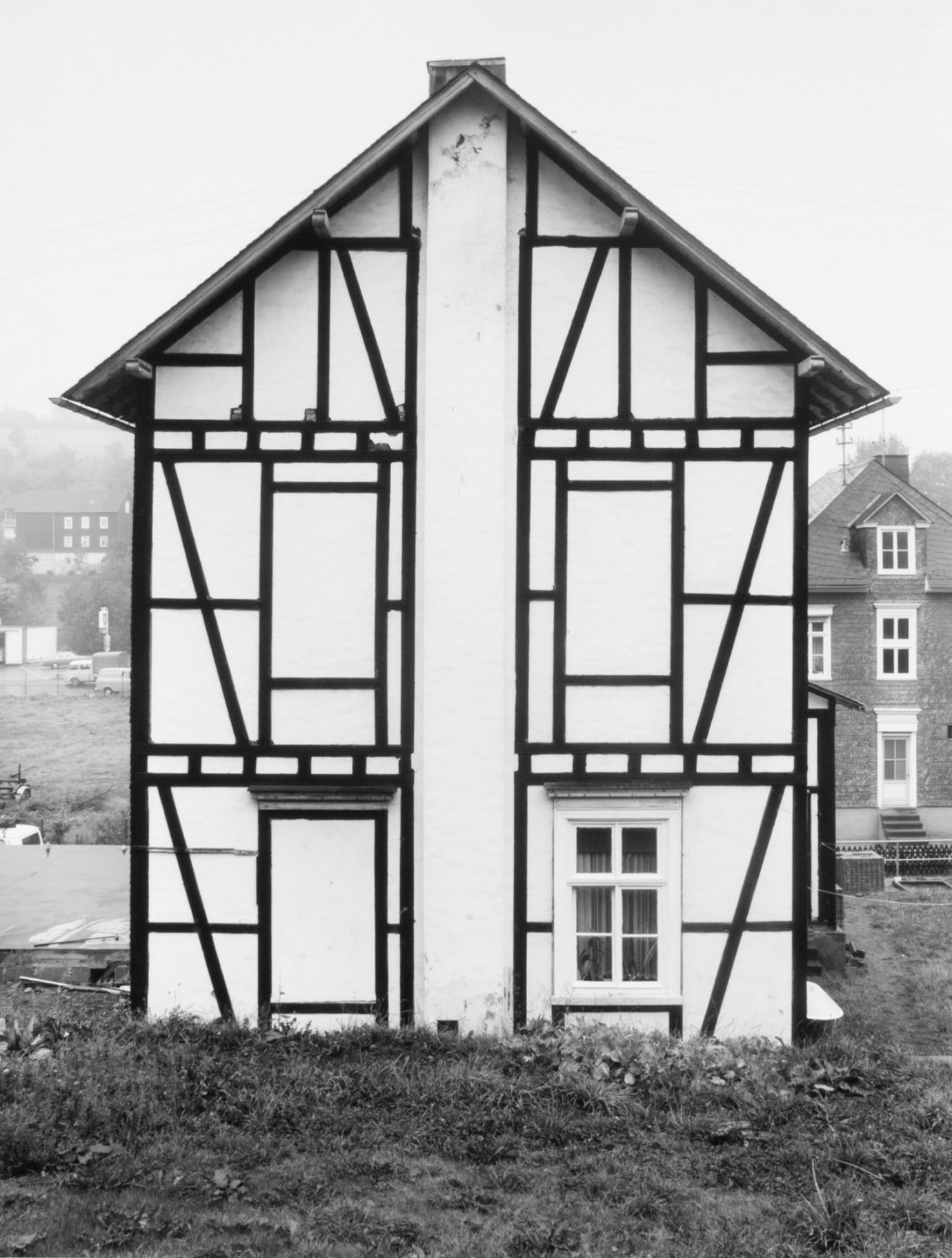
In the 1950s, there were Bernd and Hilla Becher. They began photographing the industrial architecture of the Ruhr Valley in Germany. Photography aficionados now began seeing water towers, gas tanks, flat light photos of homes, winding towers, and other structures that were threatening to disappear from the landscape.
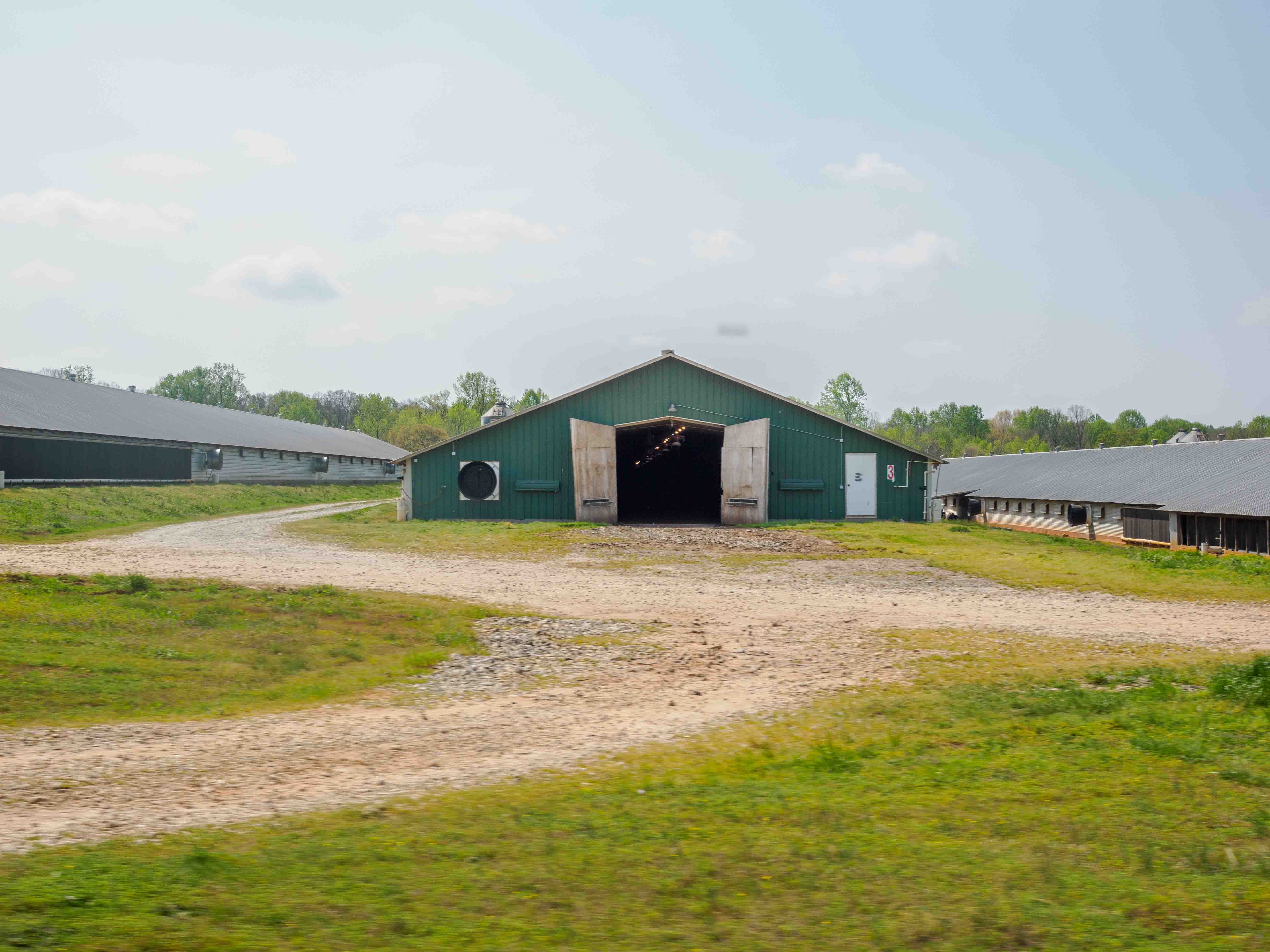
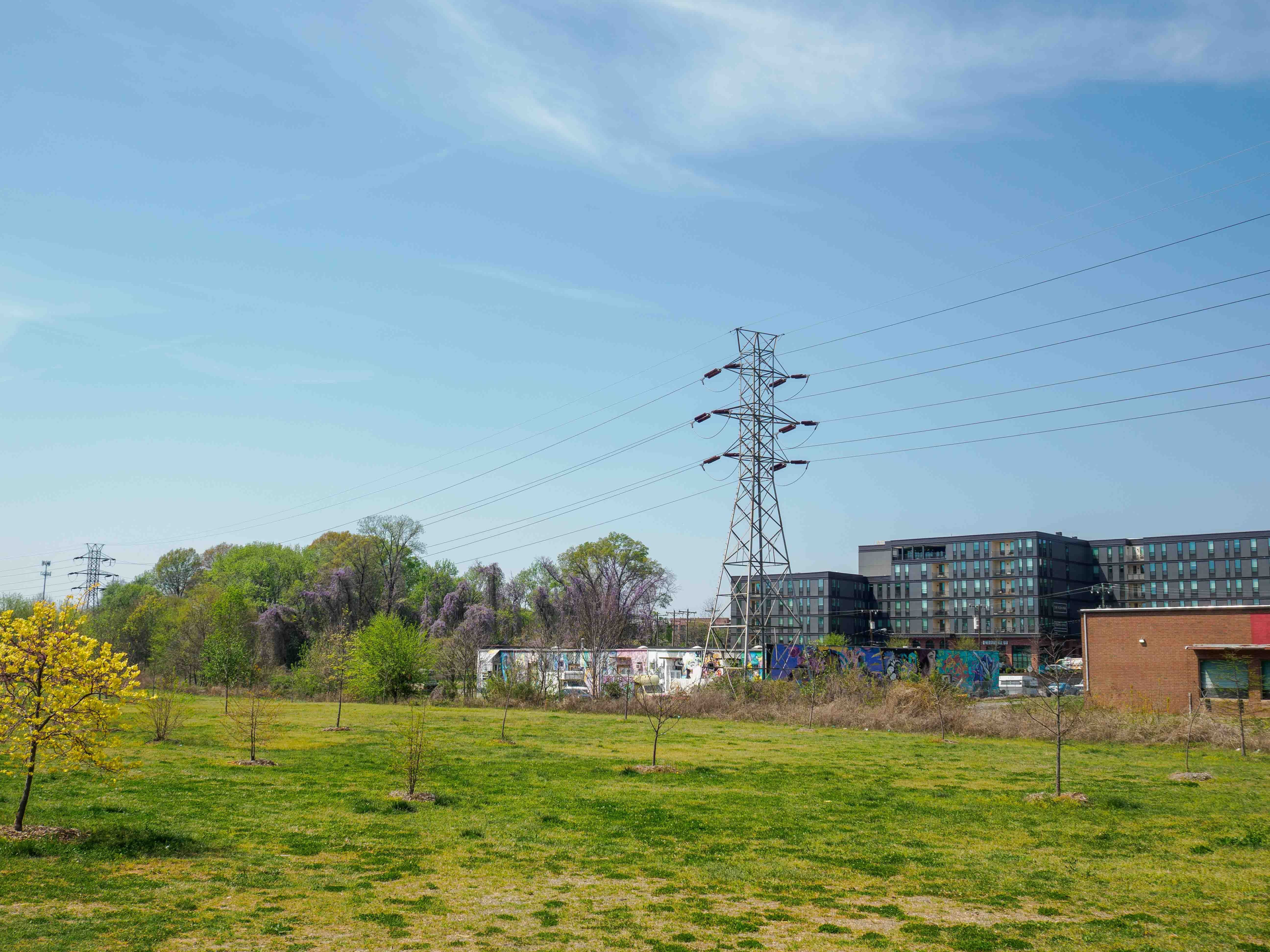
Students at the Düsseldorf School of Photography continued the approach. The deadpan technique became more easily recognized: straight-on shots with flat light, nothing dramatic, no commentary. It was a pure documentation of things that would soon change forever.
Photography that illustrated indifference, or so it seemed, was actually a kind of new devotion to that same reality— just without all the fluff.
“The question ‘is this a work of art or not?’ is not very interesting for us.”
- Bernd and Hilla Becher
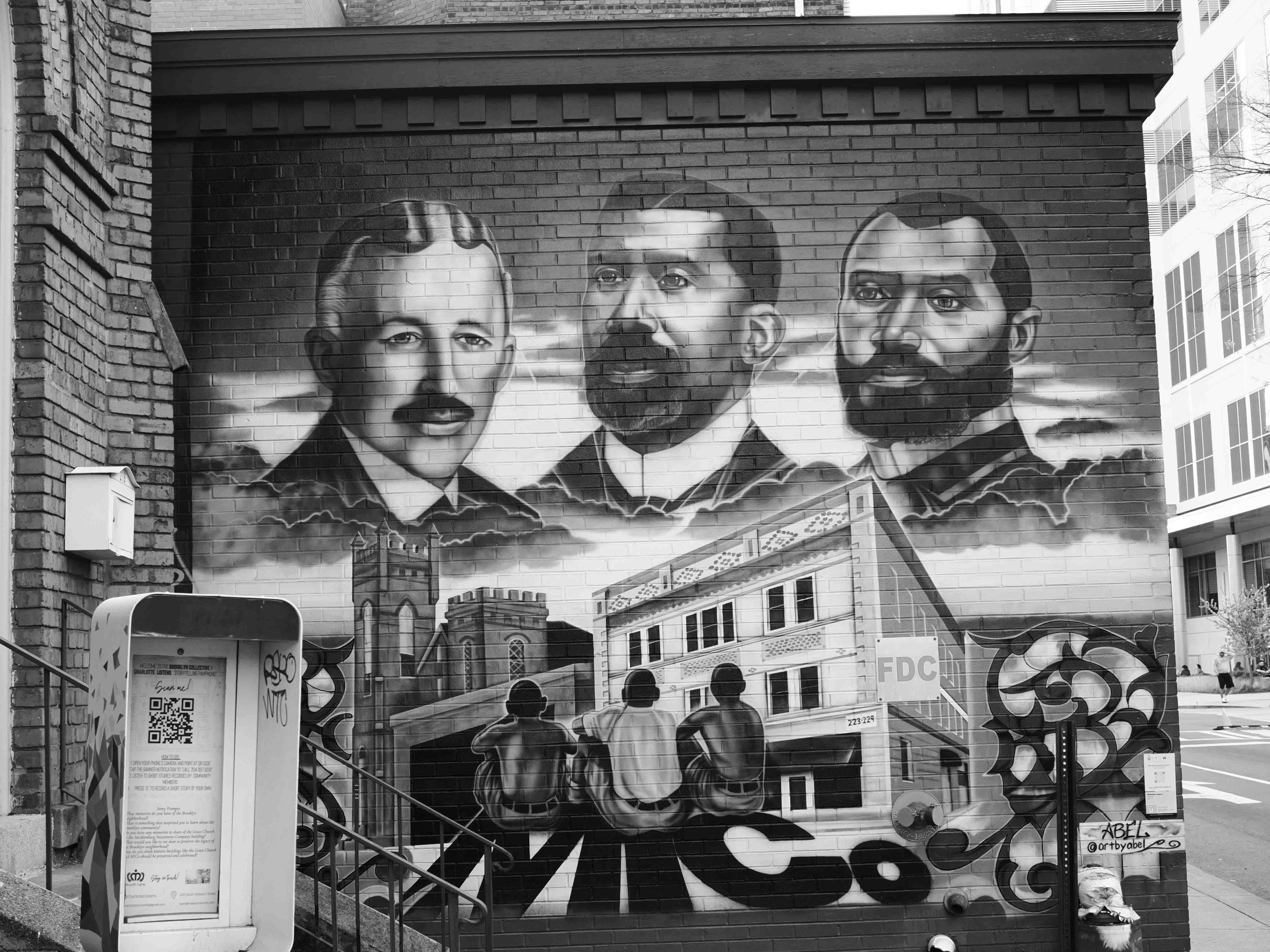
Fast forward to the 1990s and deadpan had become a dominant visual language of fine art photography worldwide — including in America. Photographers such as Robert Adams, Lewis Baltz, and Henry Wessel Jr. were beginning to capture the mundane landscapes of postwar America.
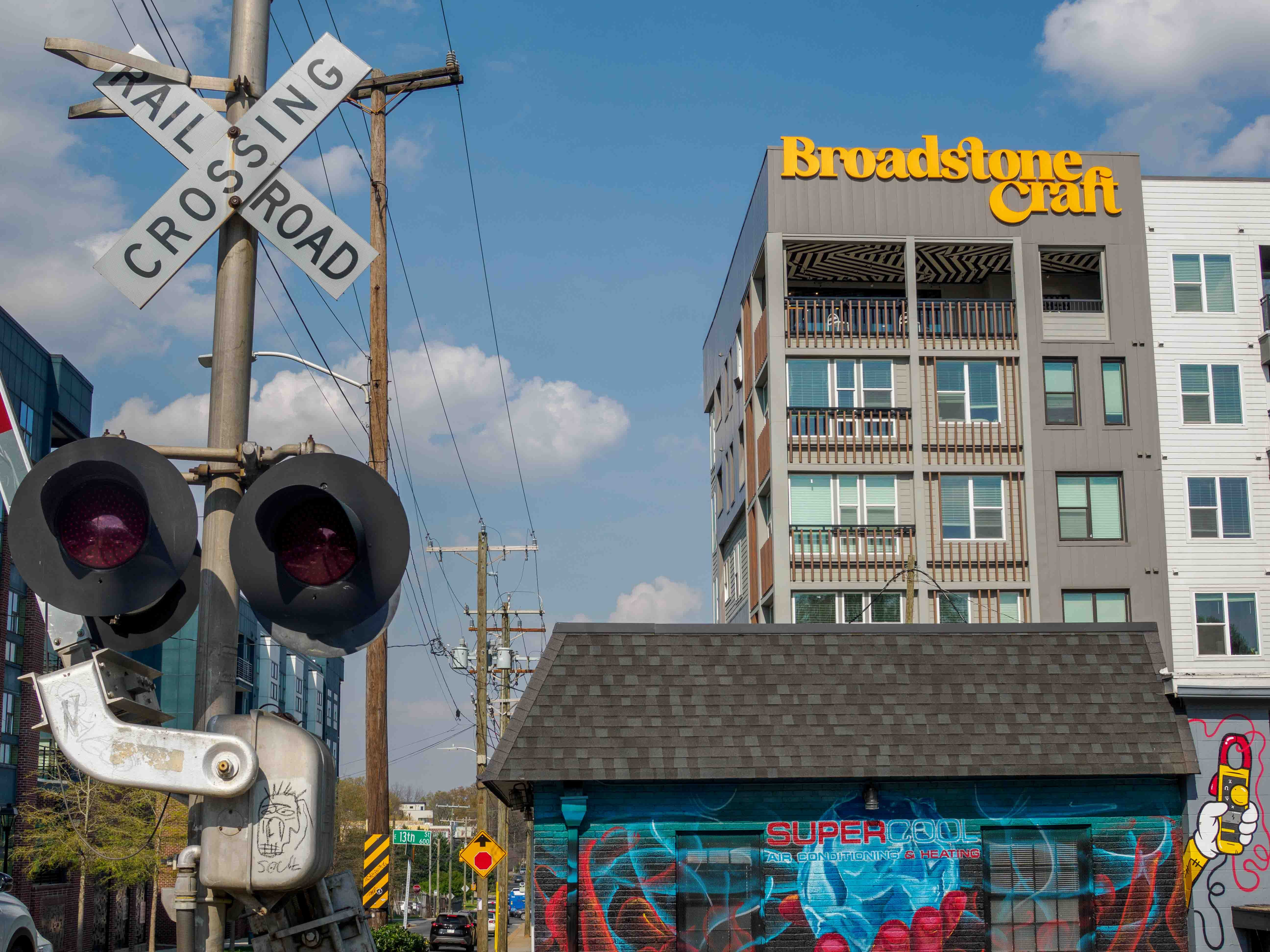
Gas stations, parking lots, tract homes, and the industrial edges of cities were featured in lieu of the breathtaking and dramatic wilderness of Ansel Adams. Subjects were becoming much less intense and instead, kind of awkward, and deeply reflective of the actual raw world that people lived in.
What we’re talking about here is new messaging: this is how things are right now. Nothing more. It was a photographer’s conscious extraction of their own emotional presence…
But in doing that, emotion didn’t actually disappear. It was instead handed over with a neutral stance from the photographer to the viewer. Now the viewer had to create their own interpretation and their own feeling about what they were seeing. Deadpan photography in this way cannot be seen as emptiness but rather as a more democratic, unbiased invitation.
If you were already familiar with deadpan photography, apologies for the long introduction. I’m not usually given to photographic history but I thought it both a bit of a reprieve emotionally as well as a relevant backdrop for where I think I find myself at the moment, photography-wise.
Deadpan photography emerged historically as a reaction against emotional excess in response to the trauma of the world’s strain. There’s a genuine pattern in history when the world’s emotional temperature runs too hot. Certain artists reach for the opposite as a necessary rebellion towards balance.
We can all see phases and shifts in genres in our own development as photographers. Yet sometimes we judge those phases as problems or hiccups when in fact, they are often part of the natural tendency towards striking a balance.
I’ve written about my long period of moving away from a sole focus on street photography to something softer, slower, and documentary in nature. Yet I wasn’t ready to head directly to documentary in the literal sense.
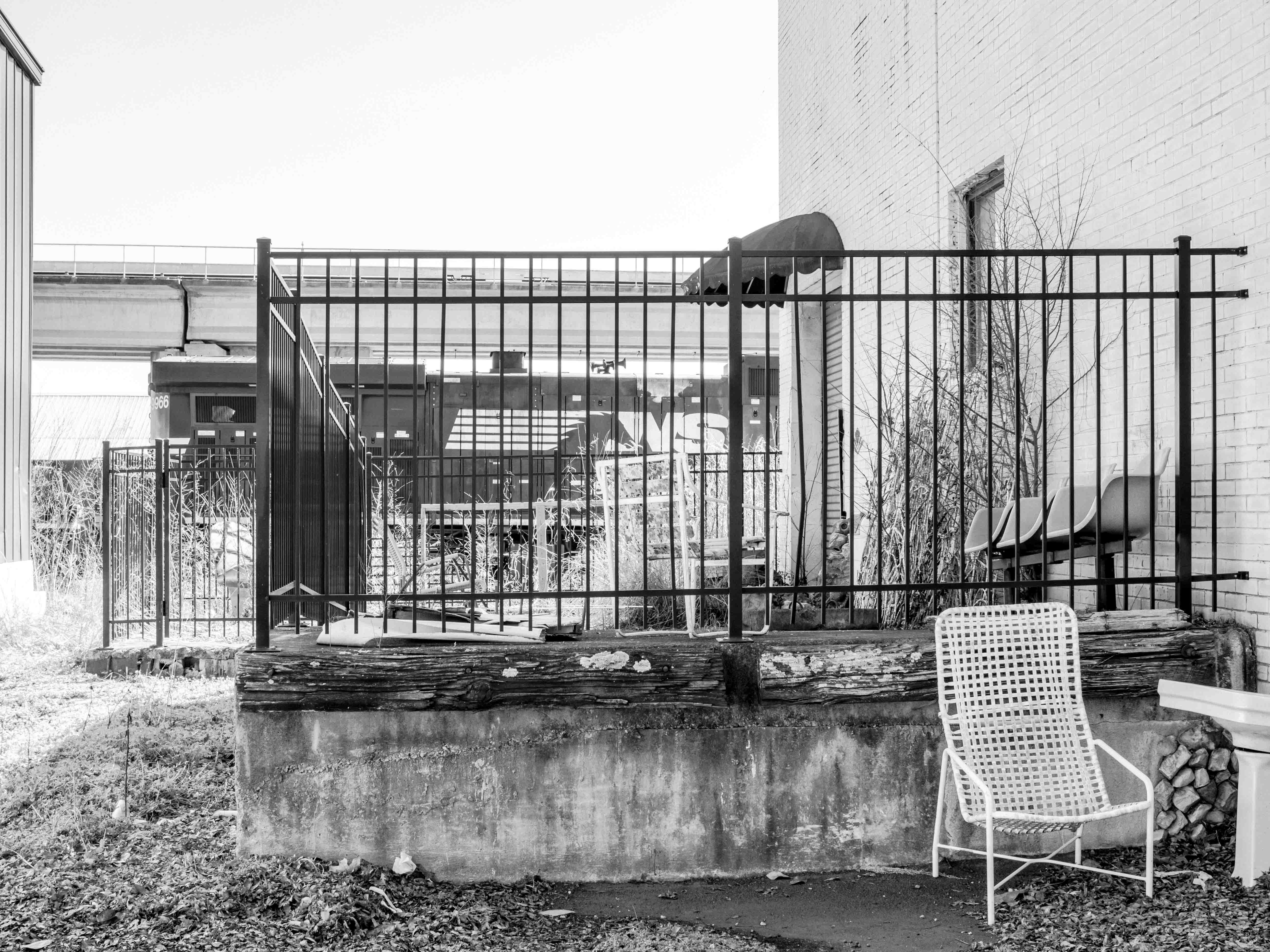
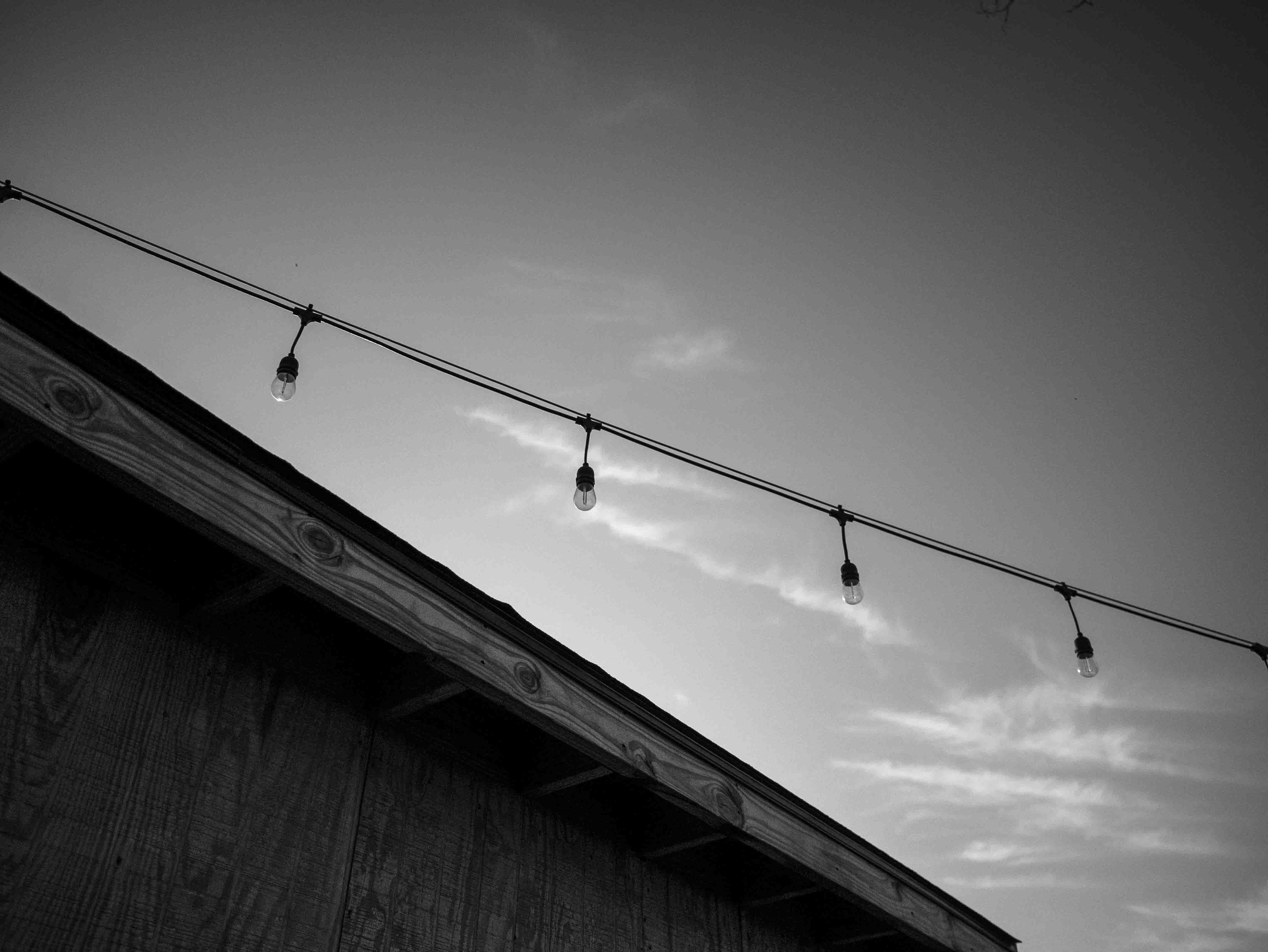
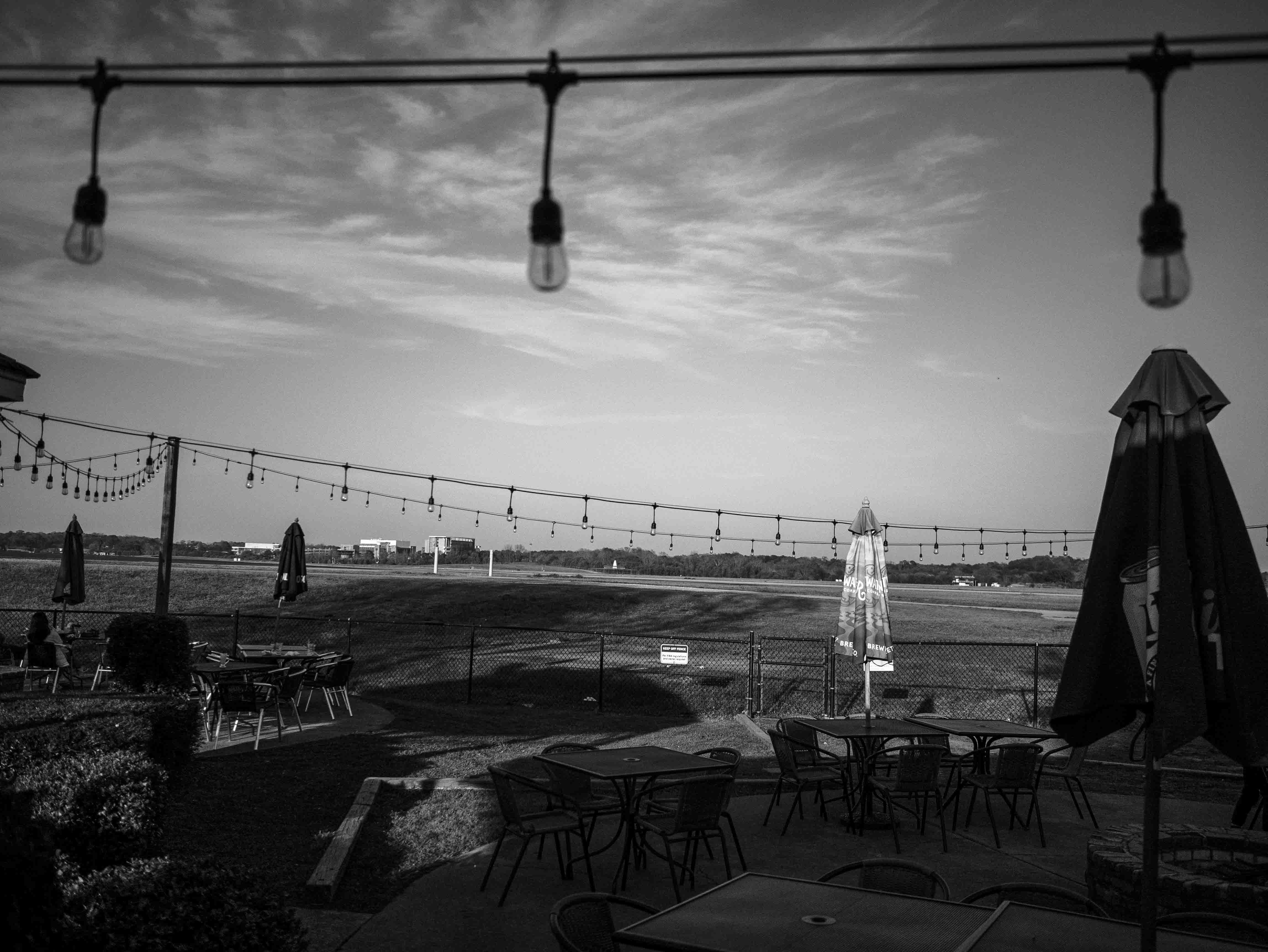
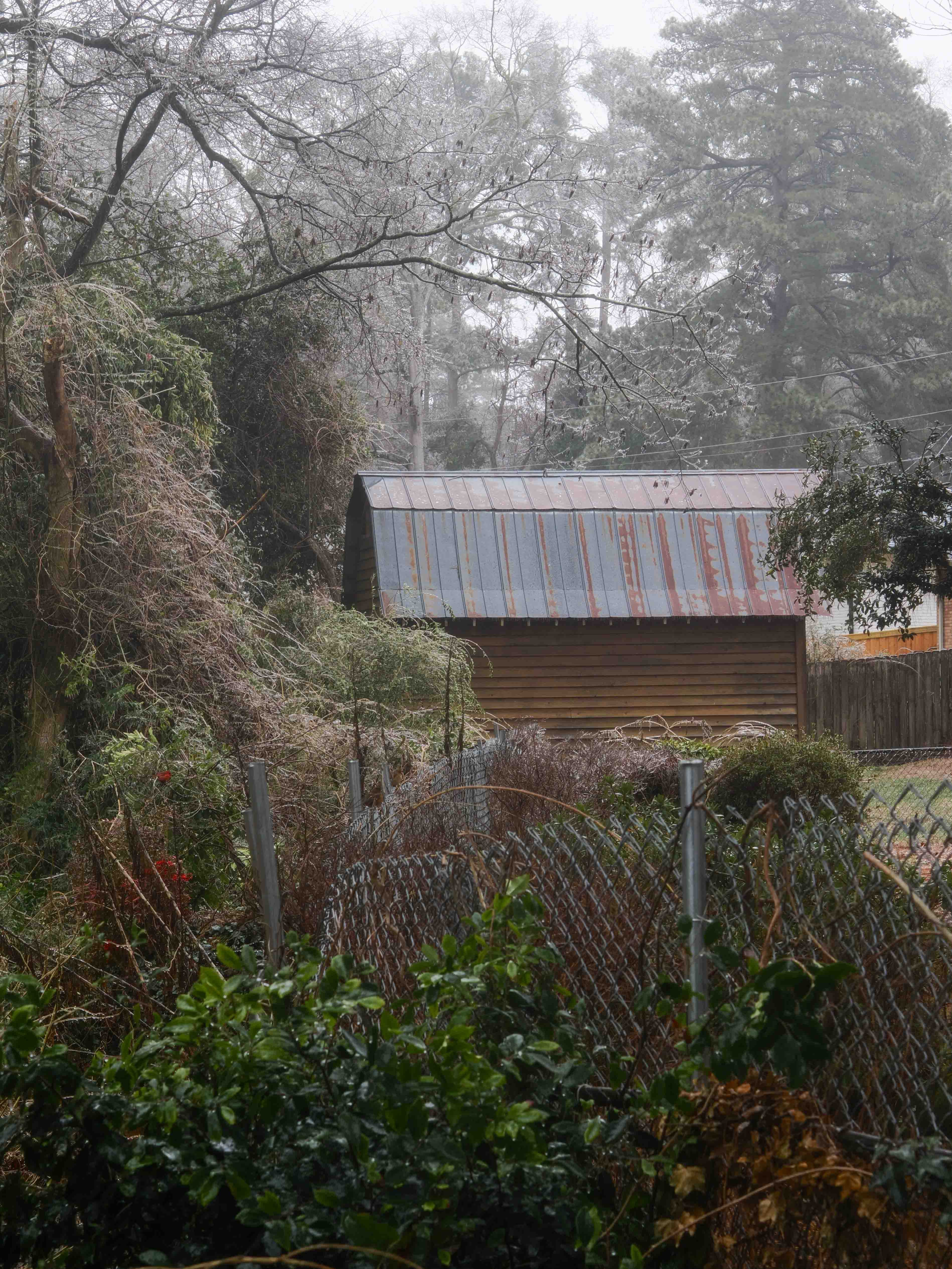
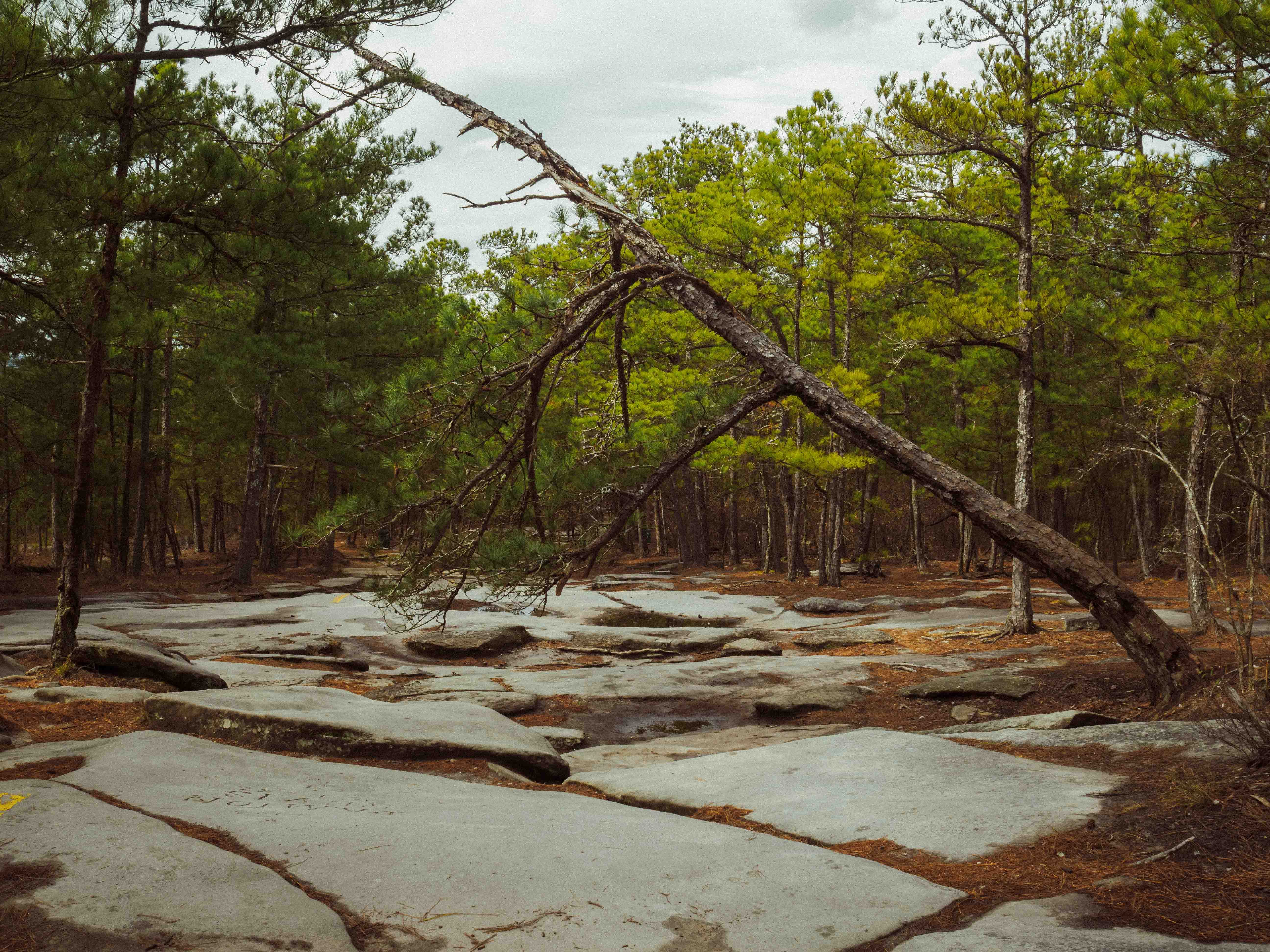
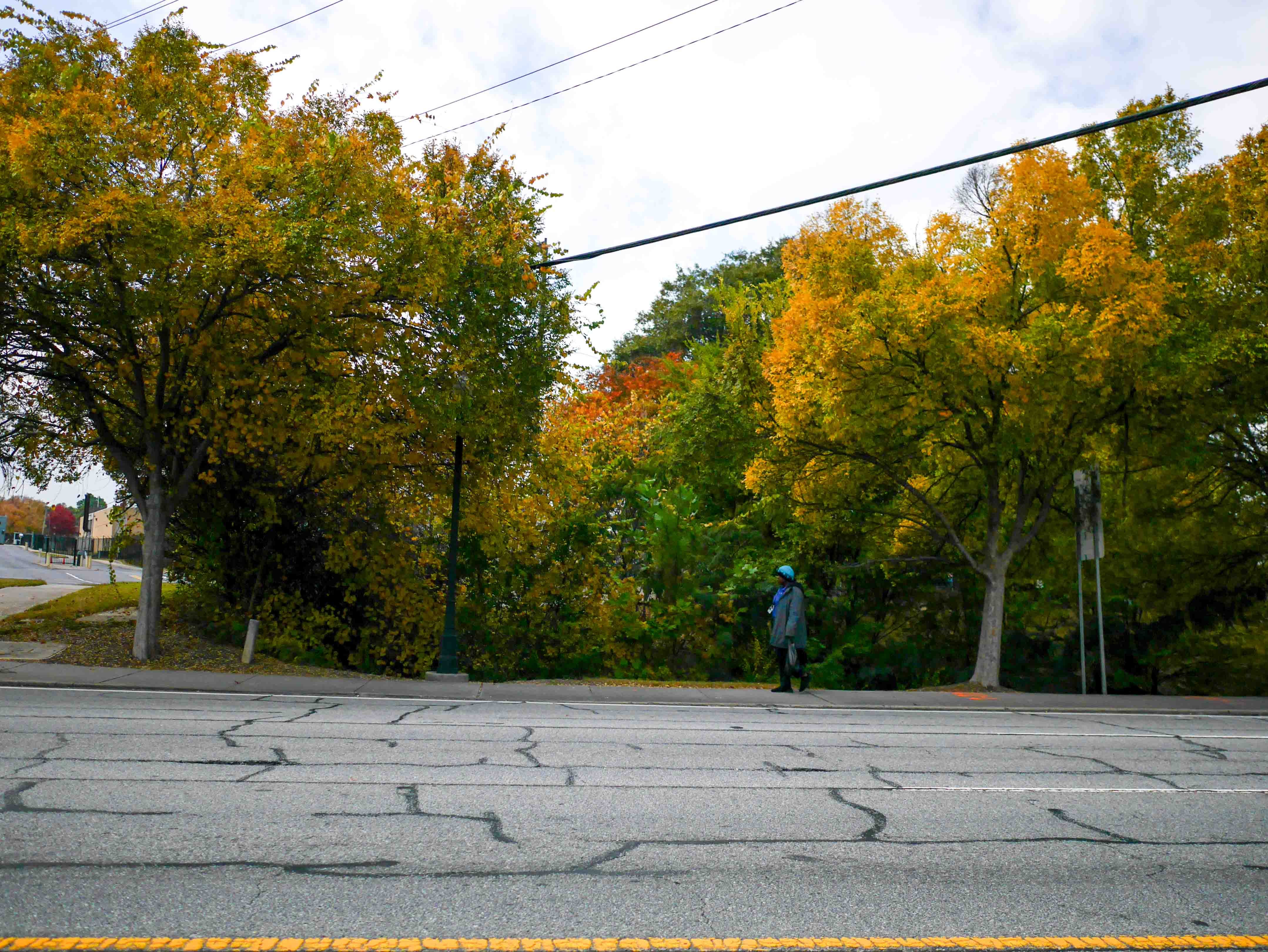
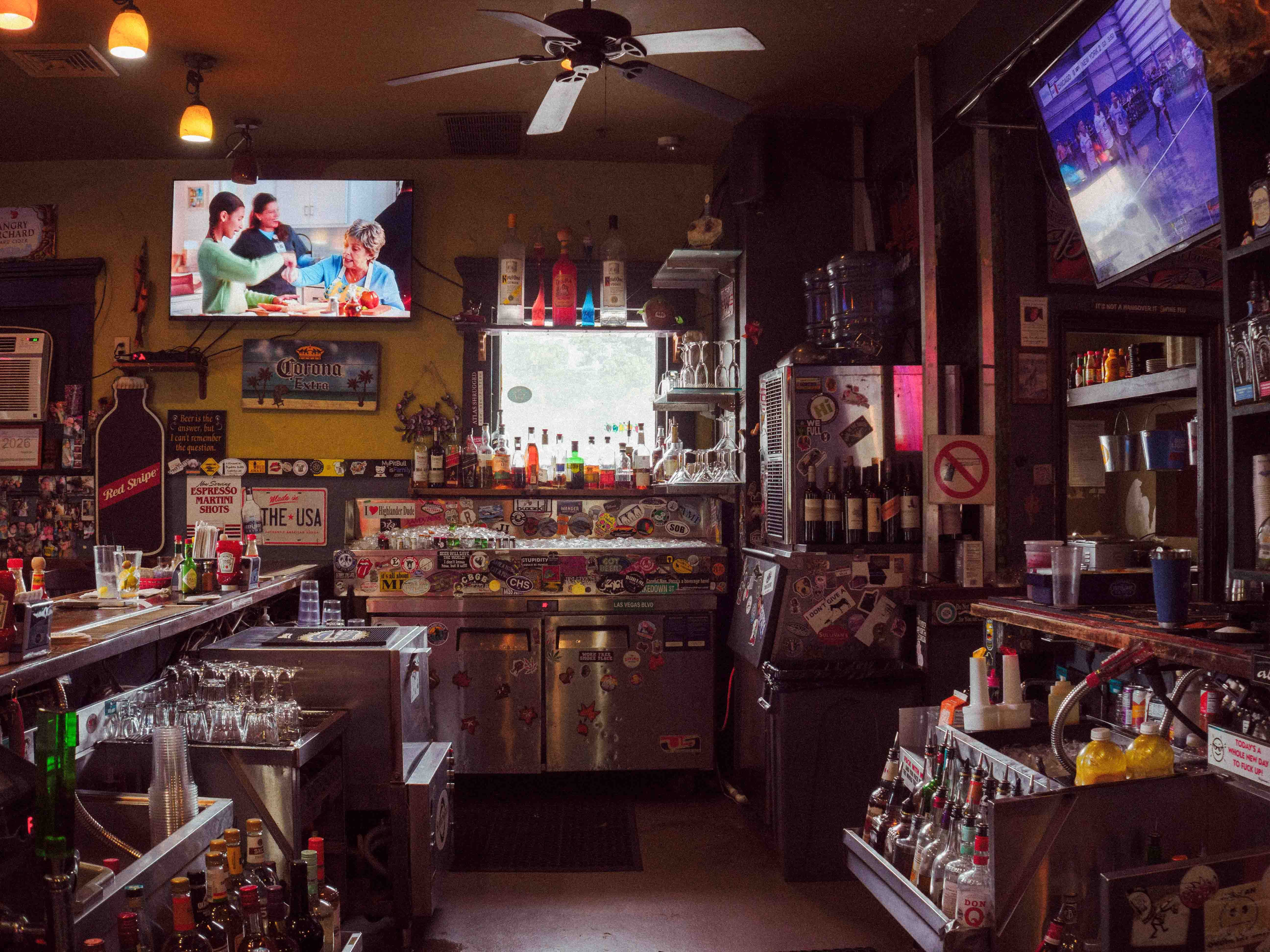
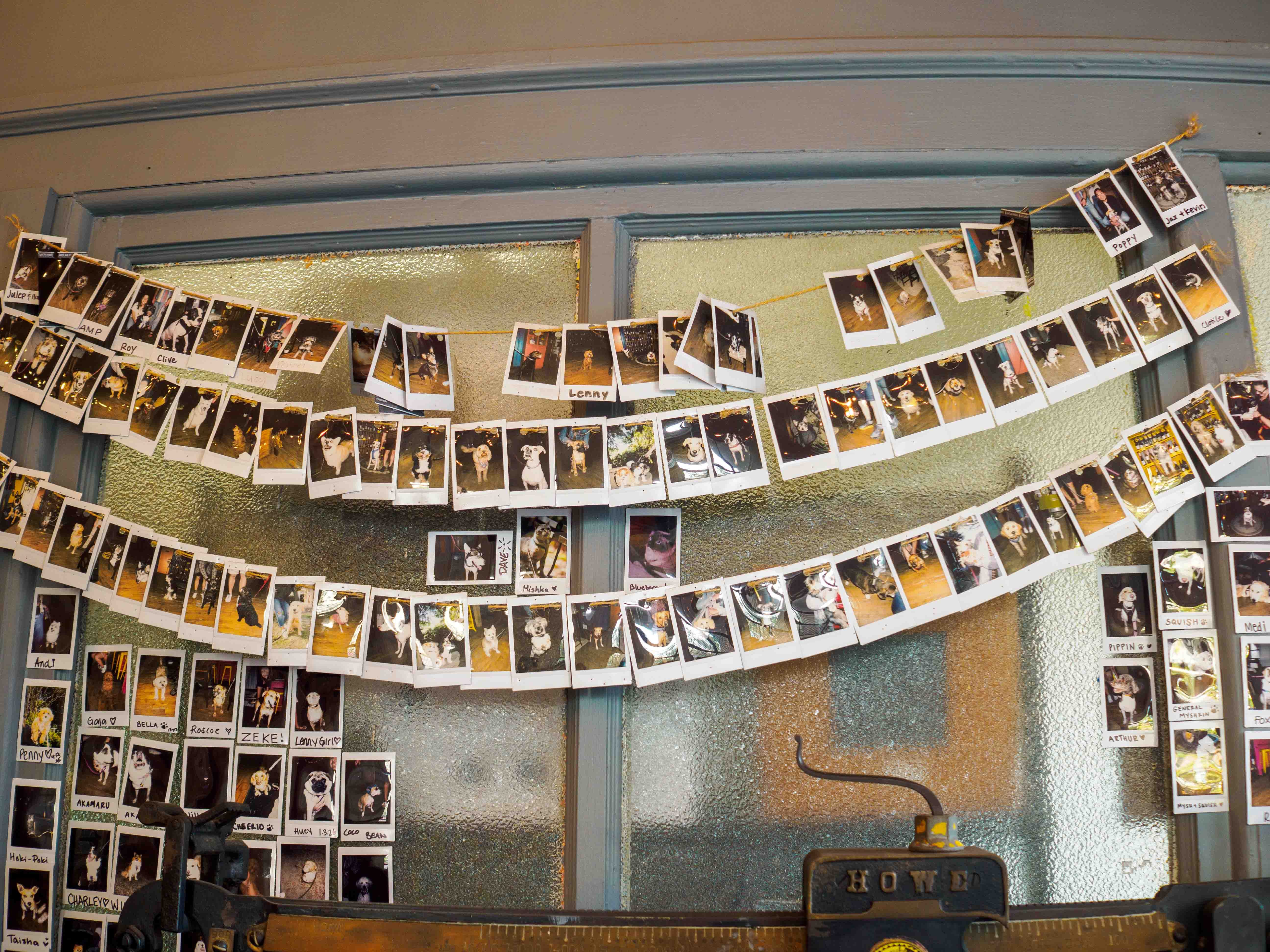
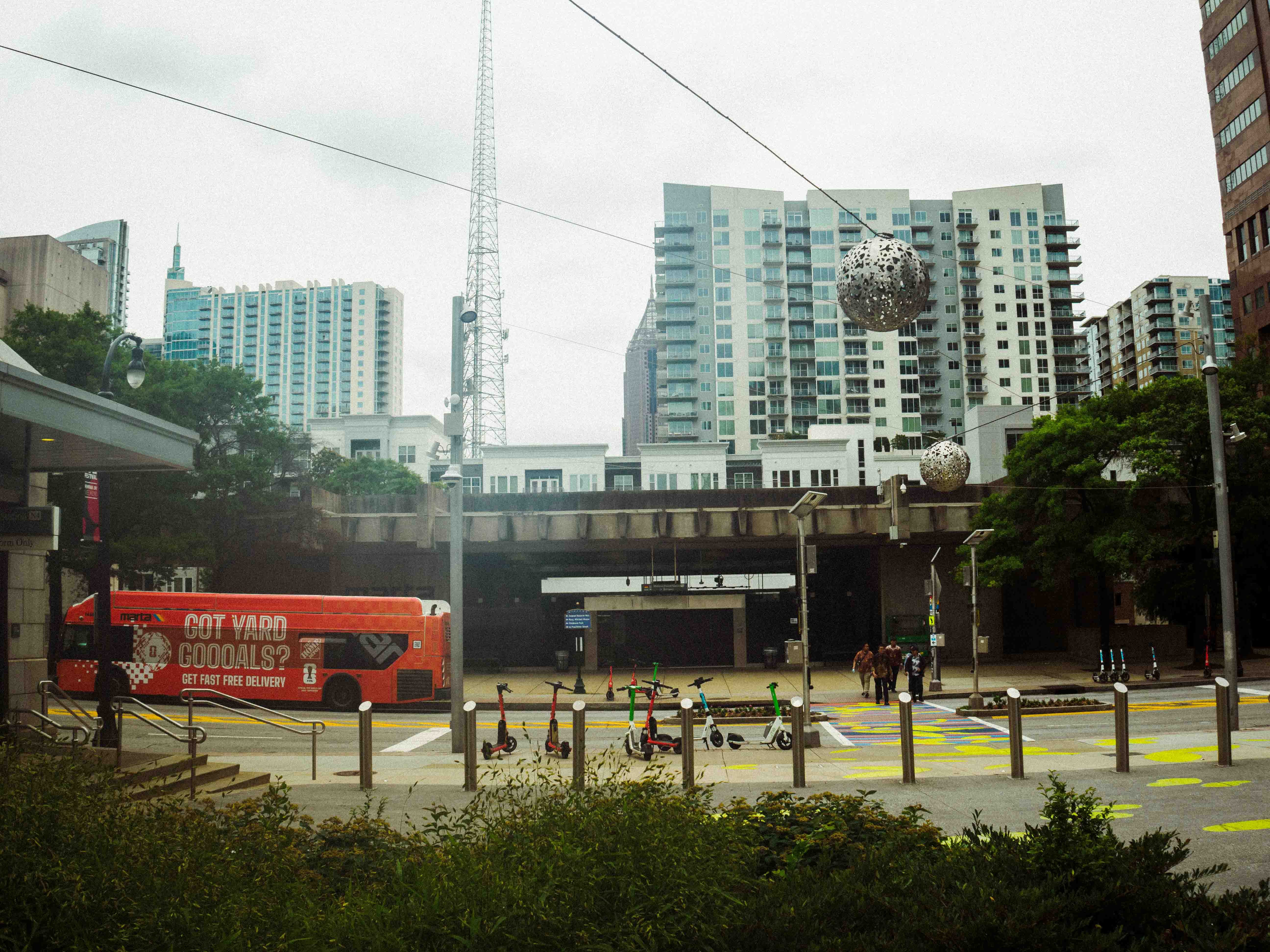
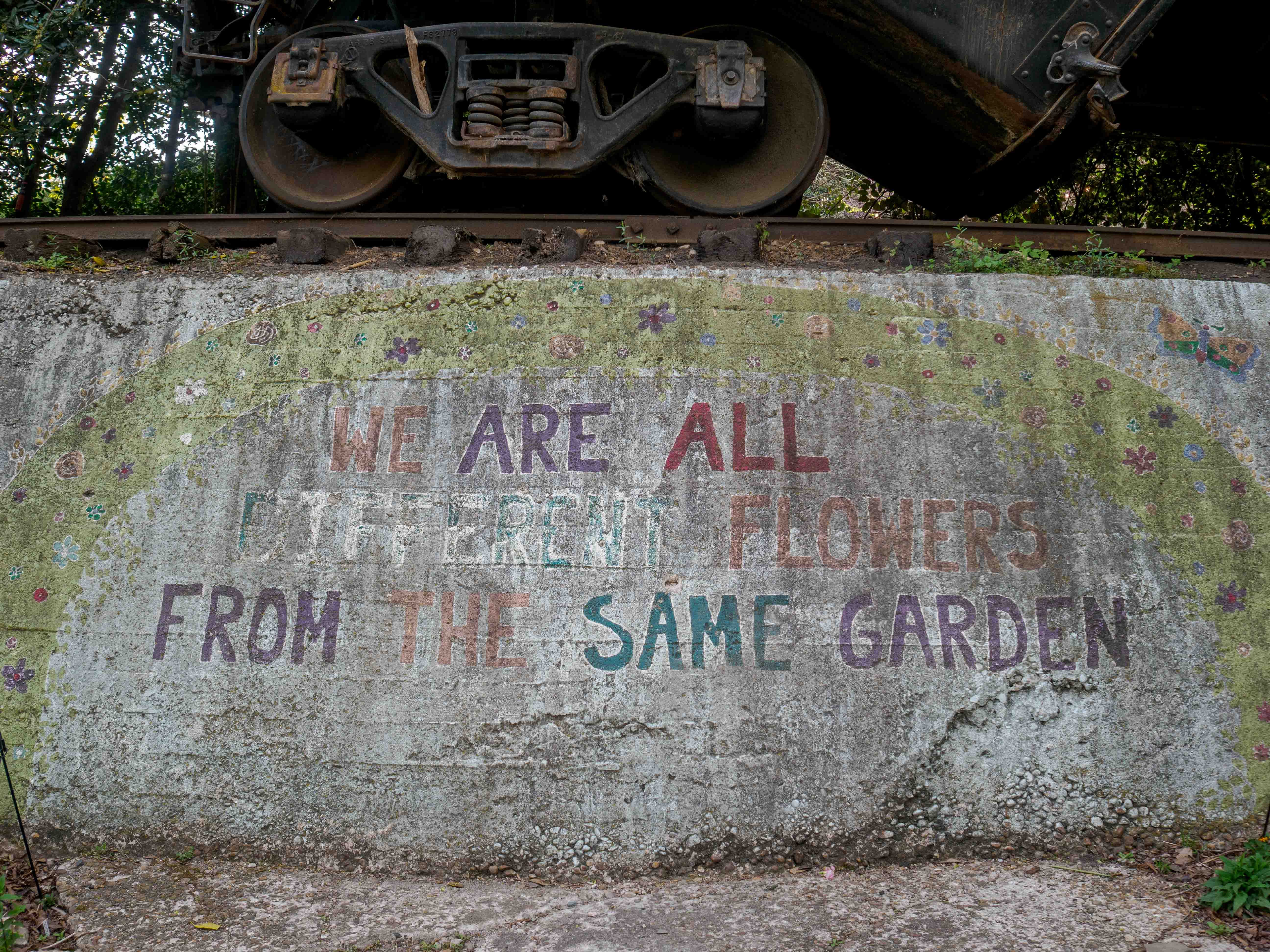
At the moment, I consider myself primarily genre-less, but if I had to pick, I’d say my leanings started mimicking that of deadpan in the last couple of years. I had started becoming drawn to flat light, no opinions or emotions. Then a month later, I’ll go in the opposite direction: film noir interspersed with some strong shadow and deep contrast. It’s just where I am right now.
I don’t even know if I can qualify some of these images as deadpan. I don’t know if I can ever really be called a documentary photographer either. Documentary shows you what happened and asks you to understand it. Instead, deadpan shows me what is there and asks me to trust that you as the viewer will feel …something of the reality I’m seeing.
That appeals to me. At least, I think so...for now, anyway.
Dear reader, I write these words myself. AI is a tool in my life, not my voice. Always free, no paywalls. If something stays with you, share it. That means everything. Thank you!
Really great photos, Juliette. And an interesting conversation about deadpan photography, which is not a term I've heard before. Thank you for the introduction. It seems this style may be a natural extension, evolution, or temporary exploration on your journey as a photographer, which is great. Sometimes we (and others) are a little quick to label ourselves. I think what matters is that you are present each time you make a photo and that it reflects something you felt in that moment. Thank you again.
The push and pull of humanity against the prevailing winds of time will never cease. Like parents chastising their teens for listening to rock n roll. The ill repute of Elvis' gyrations at the height of his fame.
In this time of tumult in hyper social communication, those winds are blowing heavier and more frequently than ever before given the world's population when compared to the 1920s.
One's ability to stay focused on their internal motivation without external influence is key, though it's easier said than done as creative humans are geared to mimic one another.
Eyes forward, internal navigation set. Adapting on your own terms to satisfy your own desires for creativity and growth.
Not sure if this will make sense as it's written in brainstorm.
Cheers!