


Dear reader, this week’s newsletter update is a photo-centric essay.
No one — including Rebecca — quite understood why she got so tangled up in herself. But the degree to which she suffered was the degree to which she shunned one vital part of her photography. And in her work, it showed.
I met Rebecca in my first photography class. We hung out for a while. I learned a lot of good technical tips from her and because she was a bit more senior, I accompanied her on a few events.
I’d watch her command each and every shoot with an air of confidence. She had these long, delicate fingers that swiftly move the dials of her DSLR camera like a seasoned pinball machine wizard.
But Rebecca would blow through her shoots like a rock musician baking under the lights on stage and yet when away from the camera, she would jump between opinions on our Flickr photo group comments like a frightened tadpole—insecure about expressing her thoughts or opinions, yet constantly self-promoting. She also refused competitions or critiques, for her sensitive heart would become devastated by any kind of criticism.
When asked, Rebecca would recite many ways she got better at photography. She recited everything but one thing: practice.
She didn’t believe in just leisurely wandering with a camera. She would call anything not tied to an event or project “boring” because it “felt like walking the dog.” She’d rather see tangible results or a completed project.
Lately when I go out with my camera, I am reminded of Rebecca. I notice the old tendency to fight a slower, uncertain pace with a desire to create something stunning. I am able though to resist the underlying voices that tell me I’m “wasting my time” and not contributing to a ‘real’ project.
These voices have come and gone for years and will likely return again in the future. They definitely grow fainter as I age. I don’t hate the voices. They were there as a way to protect my fragile ego once, but that's not me anymore.
I can publish articles on my Substack about the dynamics of light, spout opinions about other photographers’ work, gush over my latest zine to my heart’s content —and still never truly feel the true joy of photography because I didn’t allow for one essential thing: practice.
Back to walking the dog: I know that I can only strengthen the bond of human and canine when I’m present on that walk with the dog. Right? Practice. I’m not talking about practice versus performance. That’s another topic entirely. I’m referring to the relaxing art of allowing time with the camera with no goal in mind.
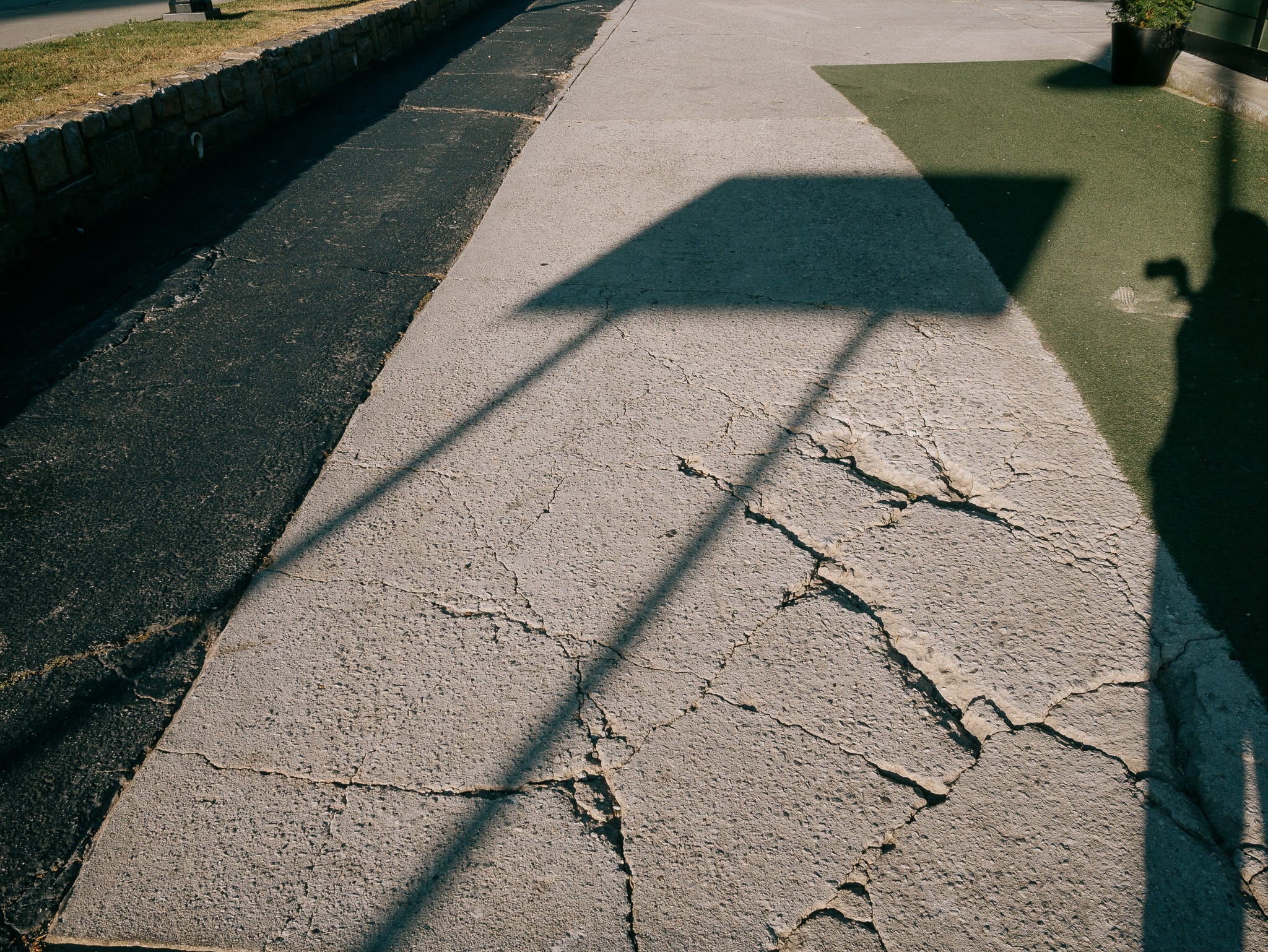
When having no goal in mind, one little nudge can lead to another. The other day, I took out some of my old Olympus lenses and decided to try adapting them to my digital OM-3. I had no project or purpose. I was simply feeling the urge to play with older SLR lenses, knowing I’d lose some of the effects with a 3/4 sensor but effectively get a tighter field of view.
Here’s a little snippet of that day in my journal:
I adjusted the M42 to MFT adapter gently onto the camera body. The tiny, but confident snap felt reassuring.
Then I took one of my beautiful Olympus Zuiko glass, polished it like I was wiping a baby’s butt, and gently turned the lens counter clockwise onto the adapter.
Another satisfying snap and I walked out the door to the backyard to test some images.
I had programmed my OM-3’s function button to magnification because with these older lenses, of course manual focus was the only option. I hadn’t done this in quite some time and was a bit rusty.
As I pressed the function button, my subject quickly shifted between in and out of focus while the frame jittered from my shaky tripod (my arms and hands pushed tightly against my waist).
I knew I didn’t have steady hands but nothing like magnification to show you how bad it truly is. Thank goodness for IBIS!
The buzzing sound of a mosquito in my left ear…the shouting of a child. These disruptions irritated me and made me lose focus.
It took several minutes of back and forth on the lens to finally get to that tiny sliver of a space where the focus was sharp, but just barely.
Before my hands jittered the lens out of focus, I clicked the shutter and moved on.
Eight mosquito bites later, I was cursing, red and blotchy. Manual focus keeps you still long enough for bugs to size you up and zoom in for the kill.
I also assumed that my photos would be shite and told myself, “it’s all good.” And it was.


I can go on from here knowing I was not going anywhere exciting and may not shoot anything at all.
I don’t know where Rebecca is or how her photography’s going, but I hope she made peace with practice. I’d tell her that to me, directly experiencing the scenery of every day is in fact, my practice. Sometimes, it’s with a camera, sometimes it’s not, because here’s the thing—I don’t have to have a camera in my hand to practice seeing.
With writing or singing or whatever creative medium I choose, my vow at this moment is just to allow times to experience the joy of engaging in that creative act without a goal or expectation. That’s what I call practice— not drudgery or a waste of time.
How long is such a practice required? Forever.
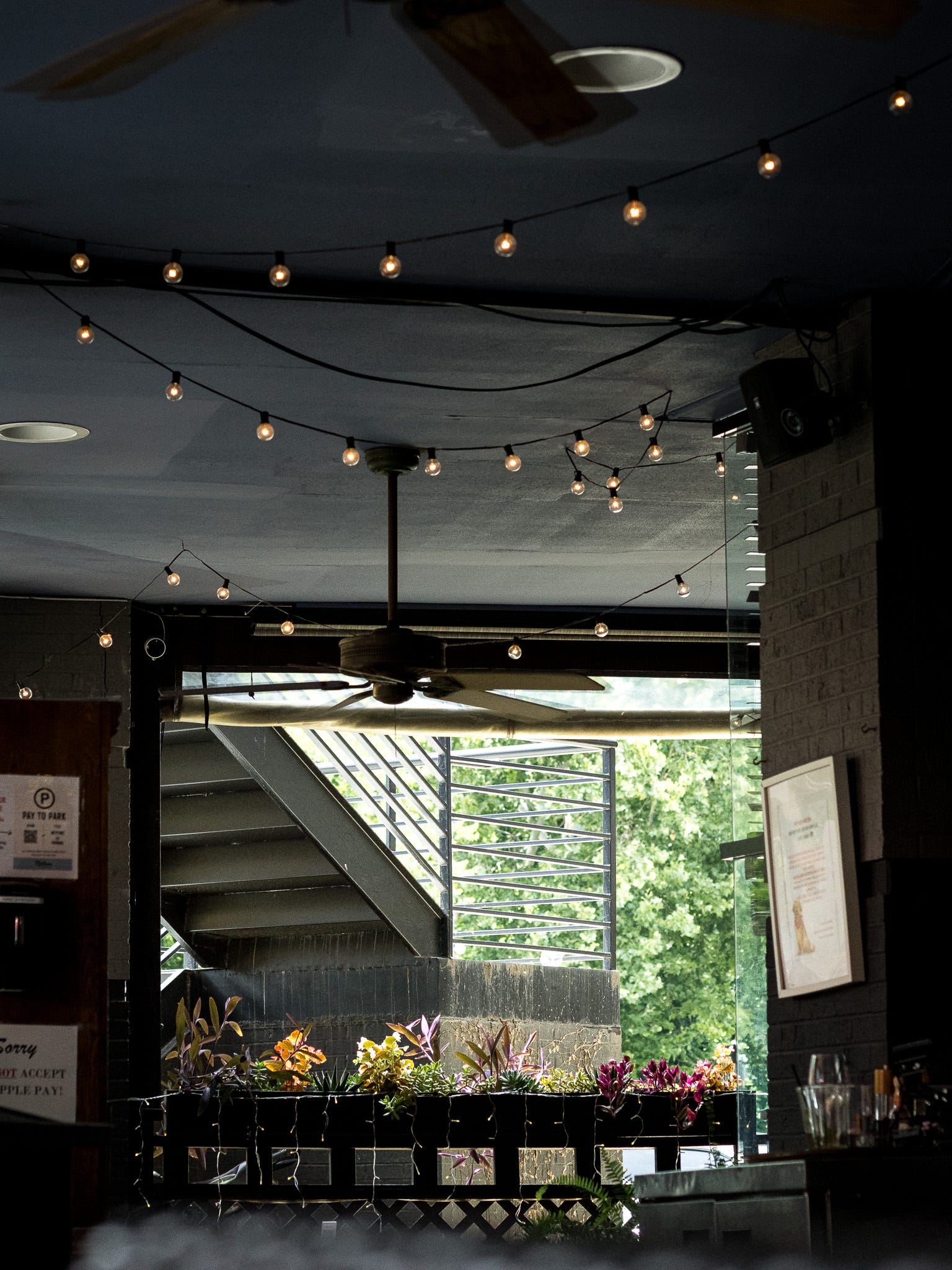
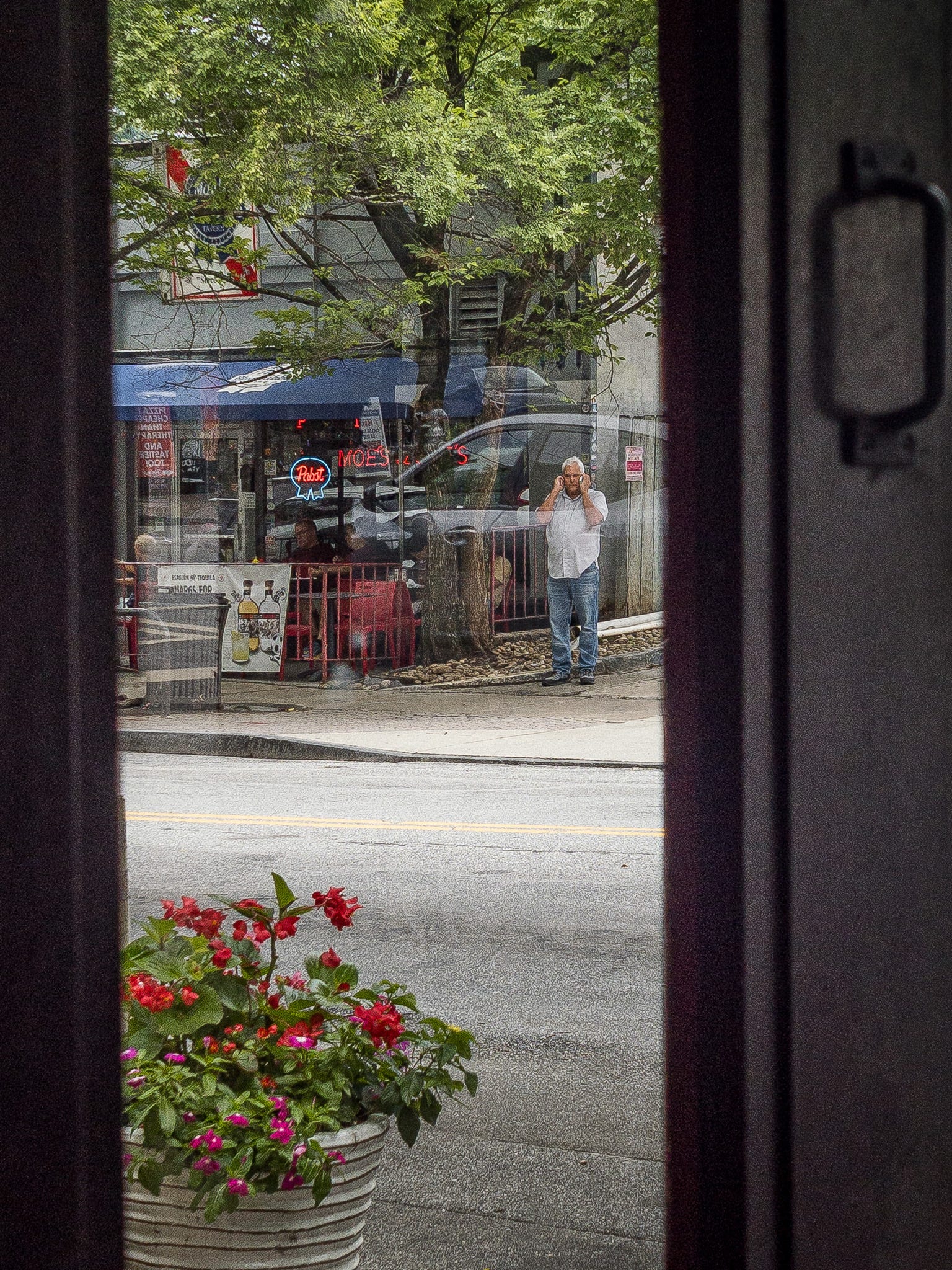
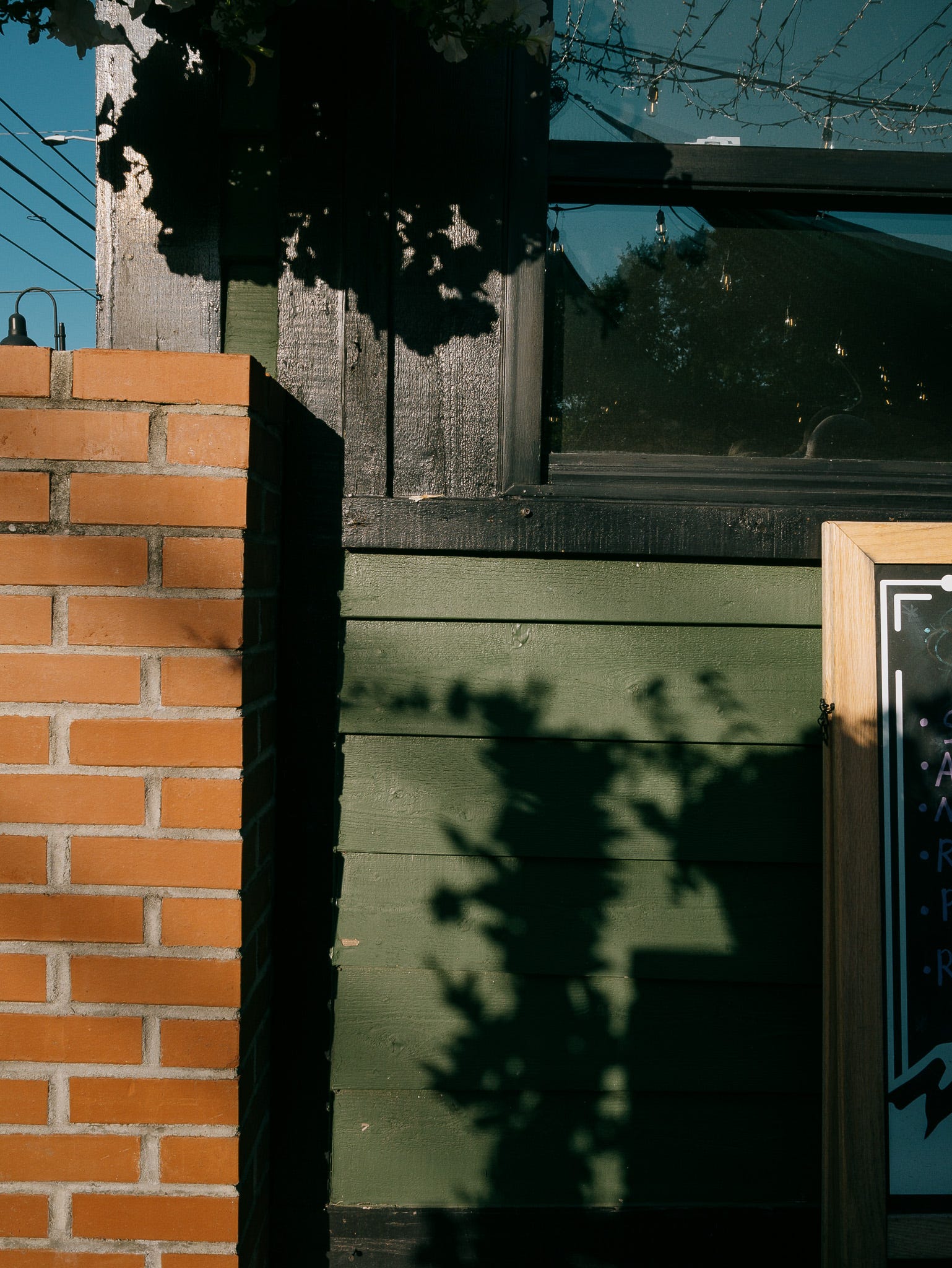
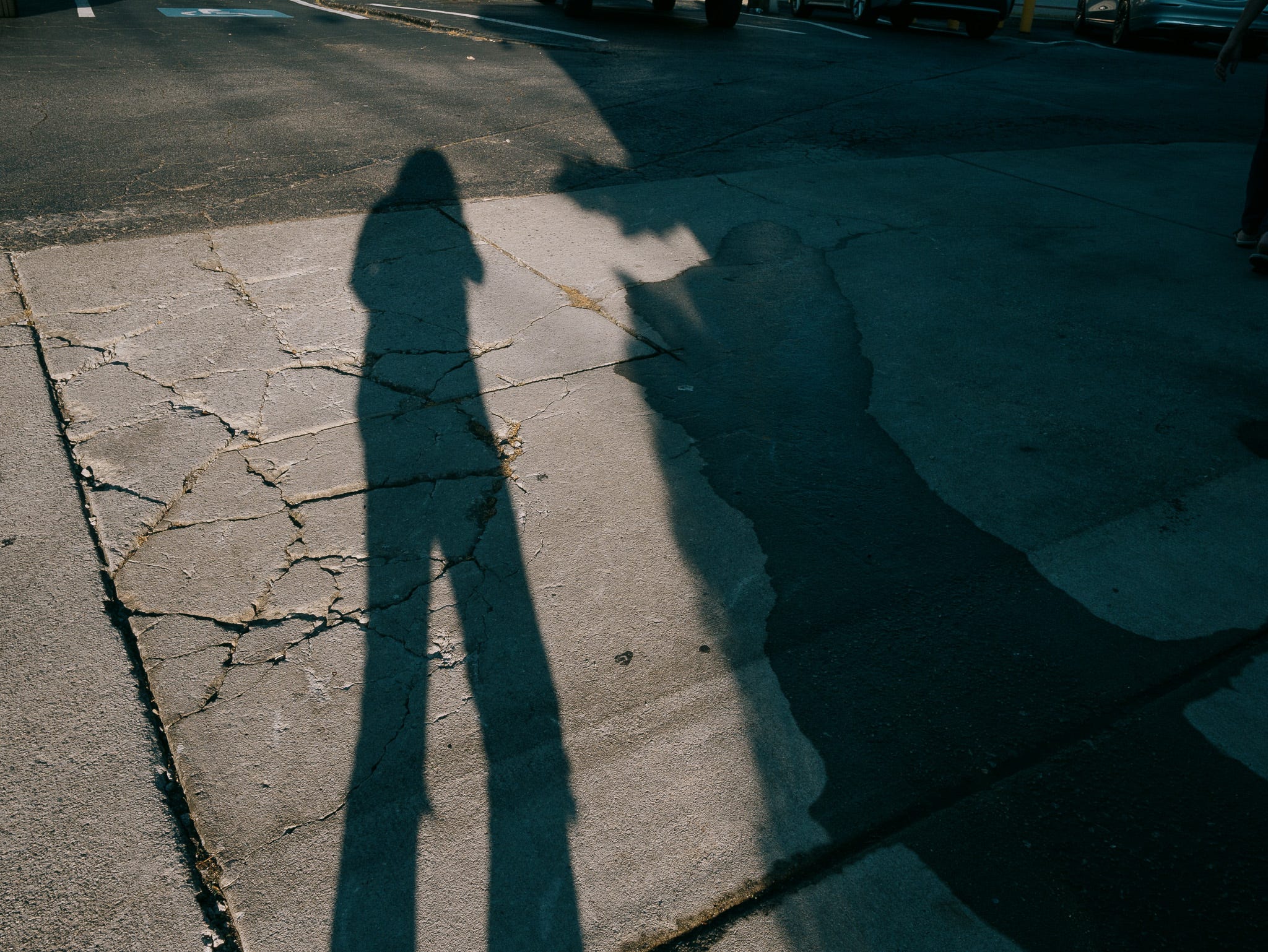
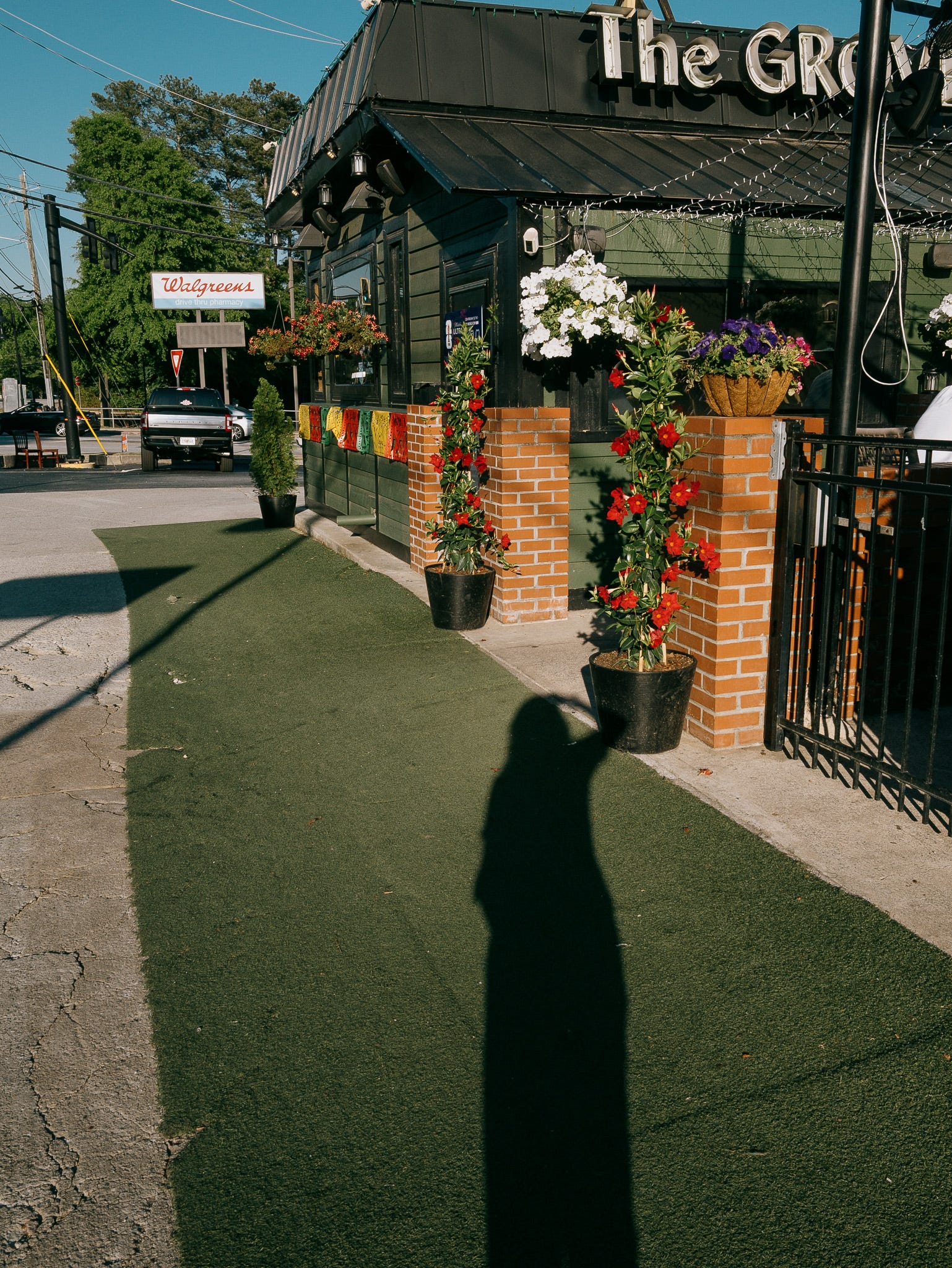
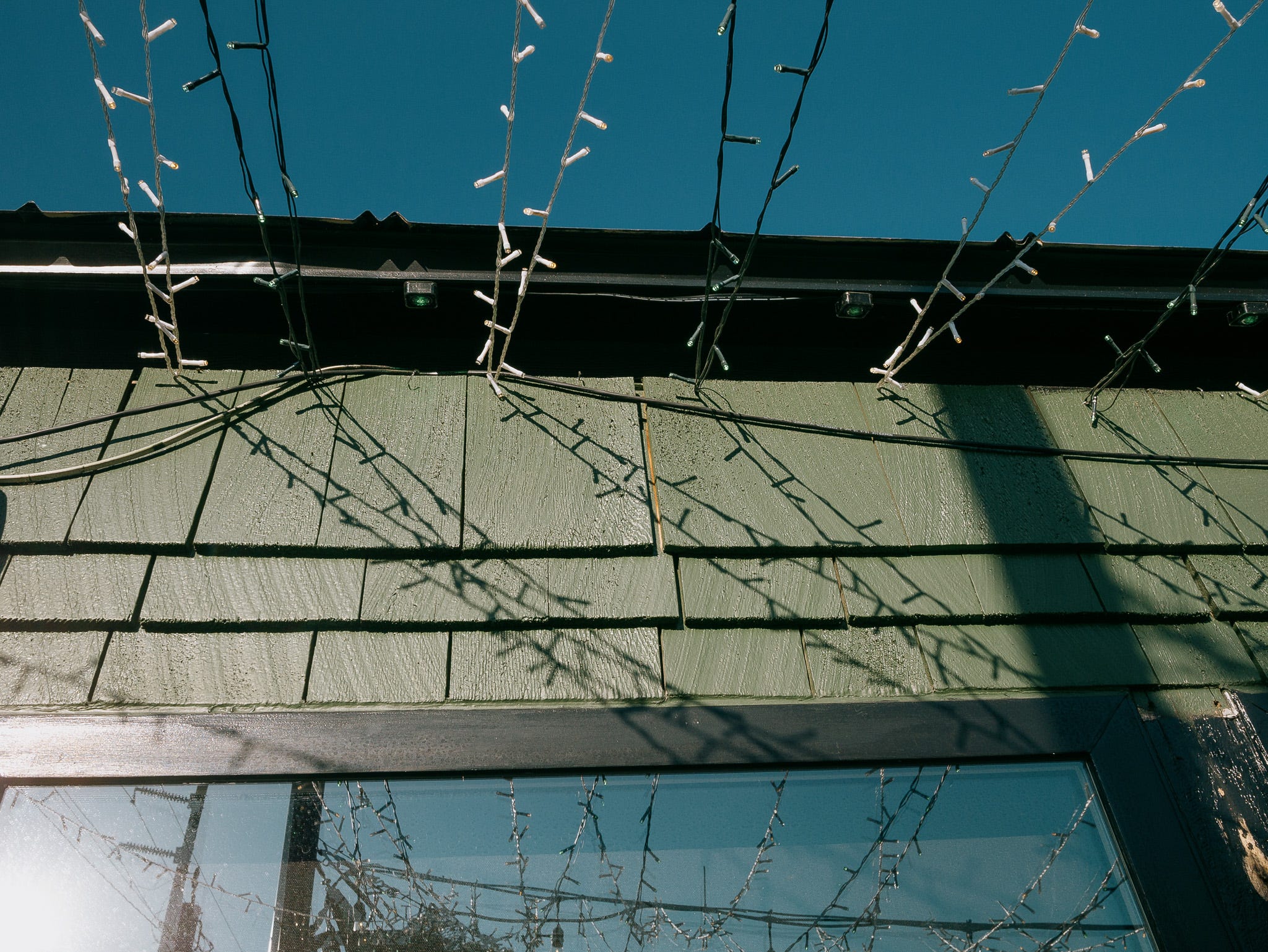
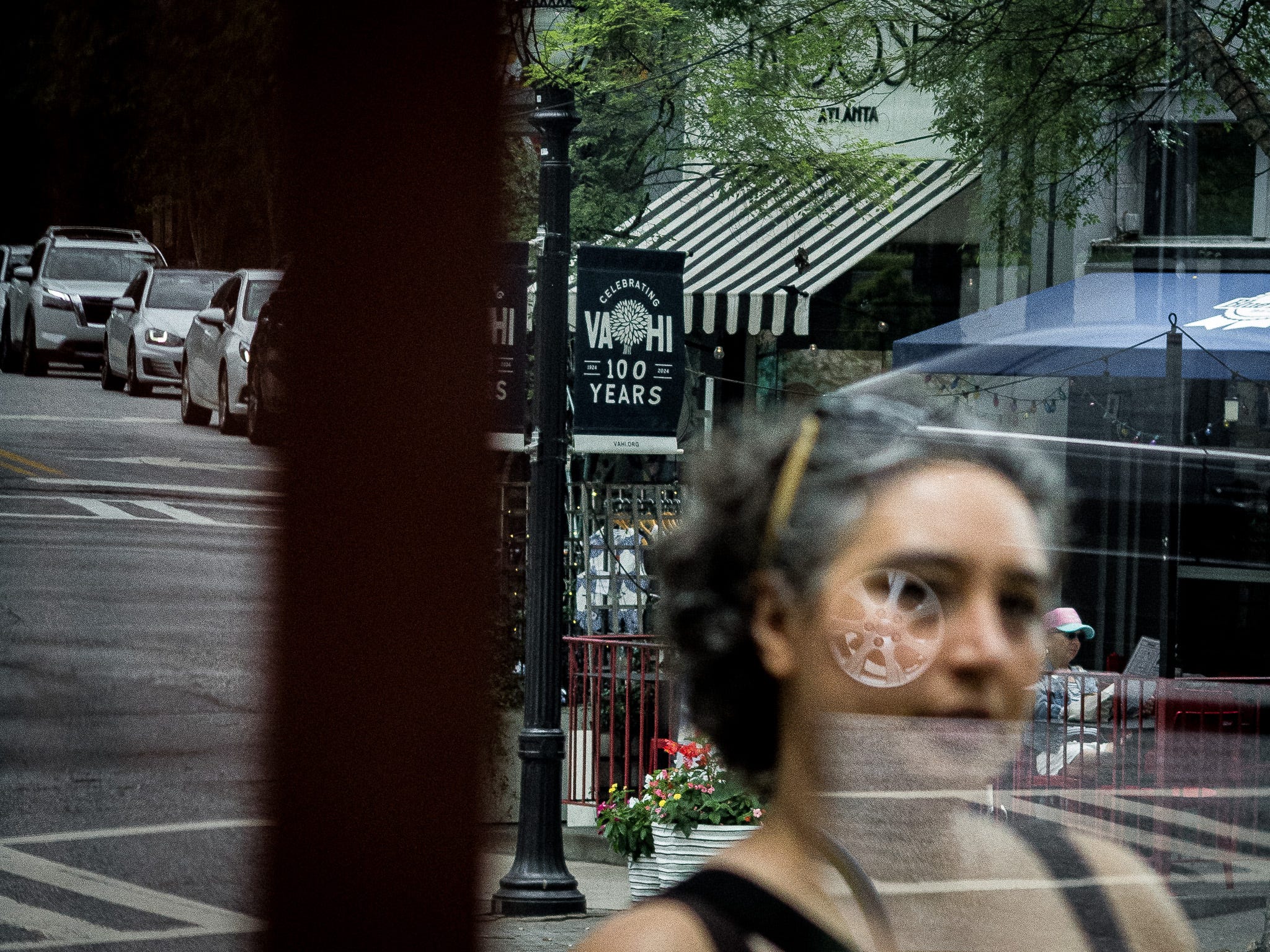
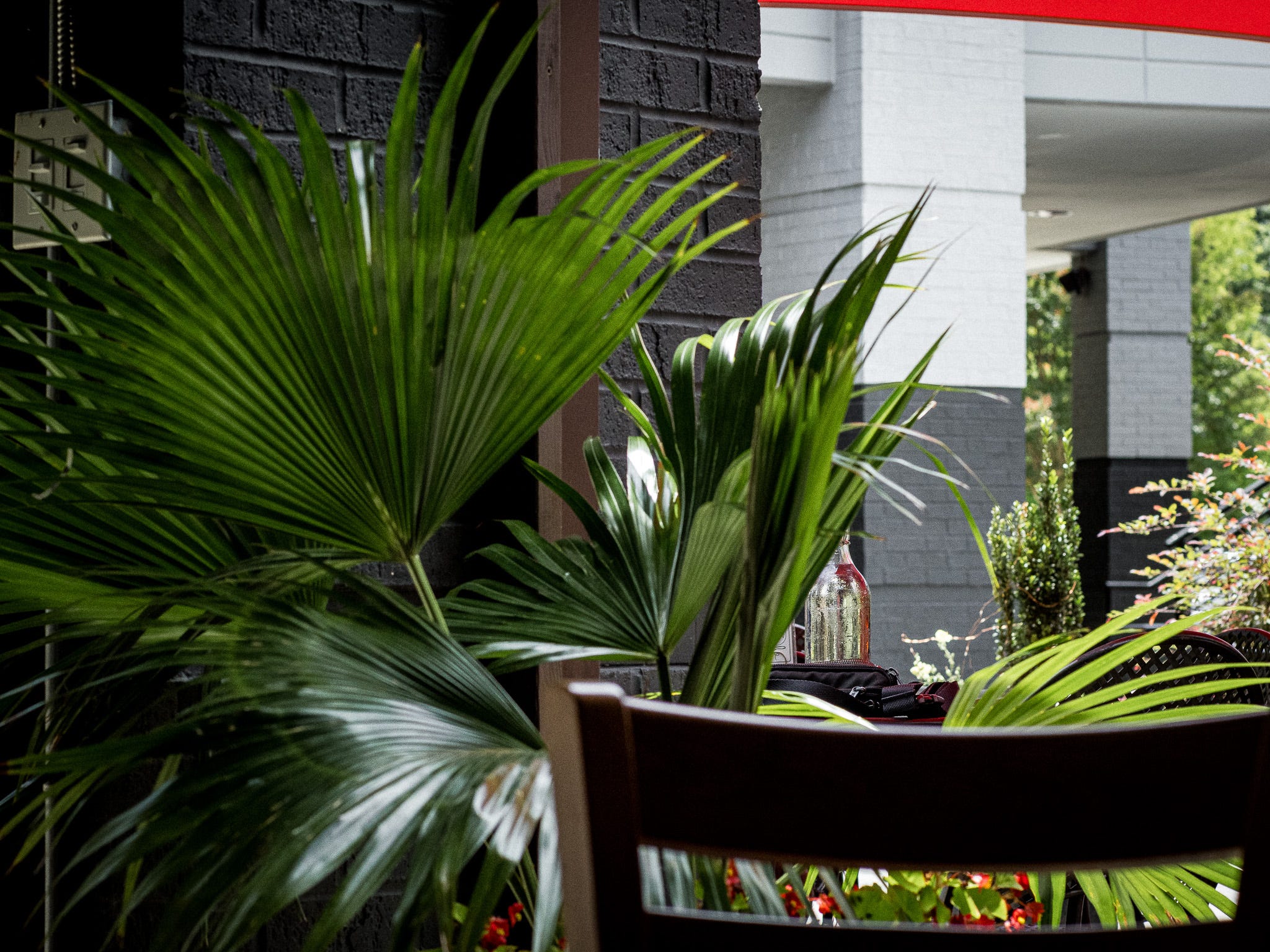
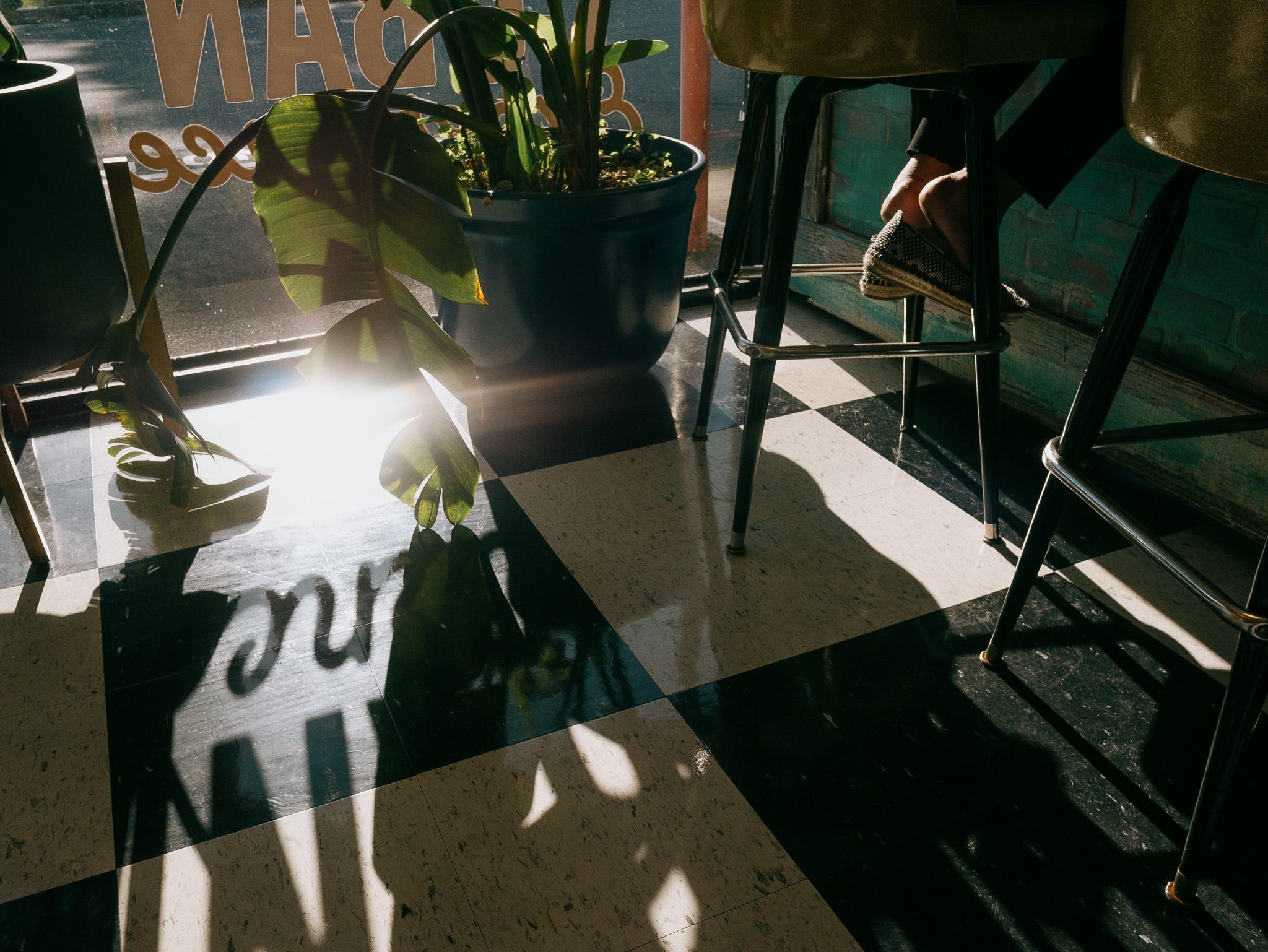
More scenes from “Walking the dog” with vintage SLR lenses:
Dear reader, I write these words myself. AI is a tool in my life, not my voice. Always free, no paywalls. If something stays with you, share it. That means everything. Thank you!
That lens renders scenes very lovely. I’m glad you put it back in use.
I enjoyed reading this and really like the photographs especially the silhouettes Juliette.